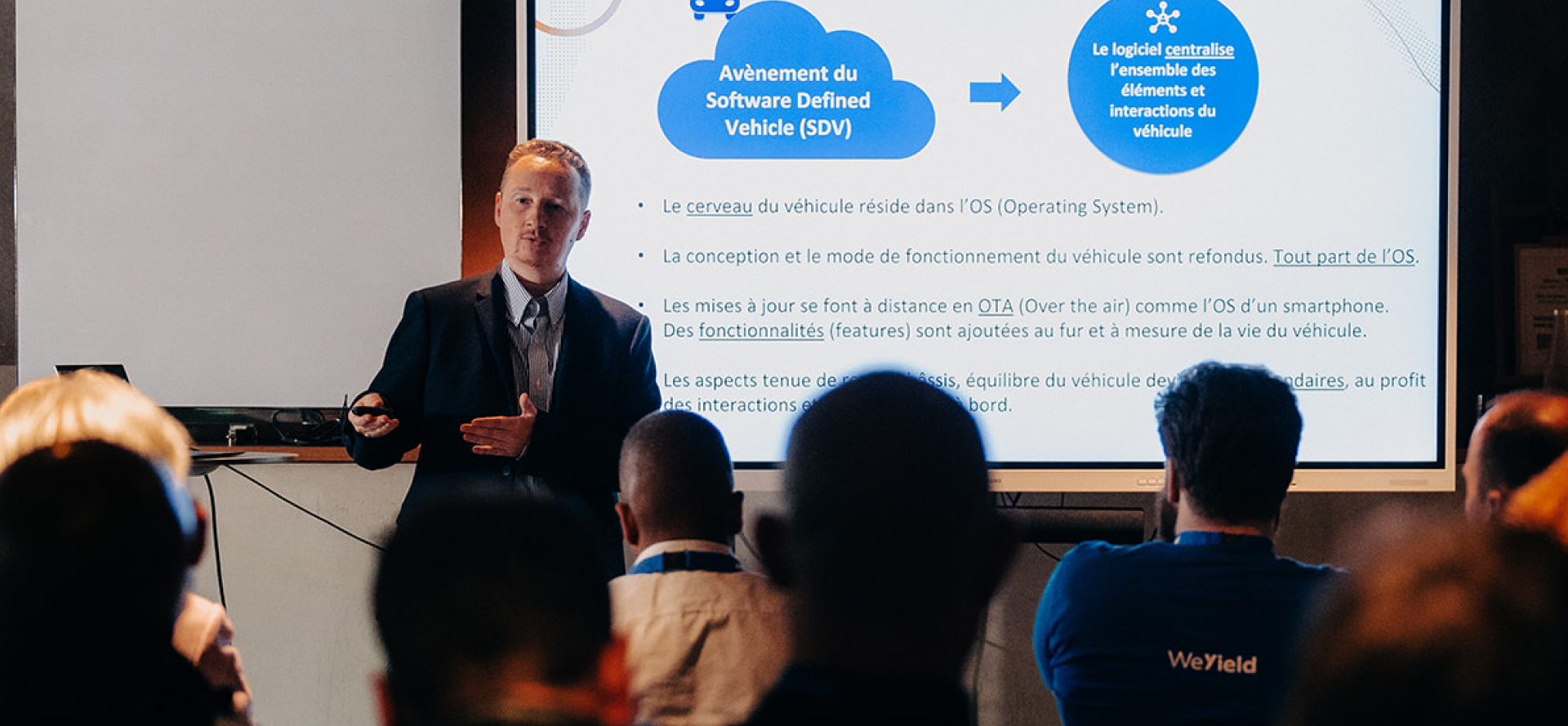


What’s really changing in travel and mobility right now
When you listen to someone like Caroline Simmerman, you quickly feel that she has seen every corner of the industry. From twelve years at Hertz to building a mobility tech startup from scratch, she reads trends the way some people read weather maps. And honestly, the weather in travel is changing.
Caroline opened her talk with a simple observation: people travel differently today. Not worse, not better, just differently. And that shift spreads into every part of the mobility chain, including car rental. Let me explain.
People aren’t traveling the way they used to
Caroline described something many operators feel but rarely name: travel is no longer just flights, hotels and sunny beaches. The motivations behind trips are fragmenting.
You have:
• Live tourism, where fans cross borders for concerts, festivals or sports events
• Pet travel, now so common that some airlines let dogs sit in the cabin
• A renewed appetite for first class travel, which also influences the kind of cars people want to drive
• Quiet luxury, the need to disappear for a while, far from crowds
• Cold destinations, from Lapland to northern Canada
• Influencer-driven choices, where people check social media before they check Expedia
If you operate a fleet, this matters. Because demand isn’t just stronger or weaker. It’s messier. It moves in bursts, often triggered by events and online waves you don’t control.
This is precisely why data and real pricing automation matter more than ever. If you want a refresher on this topic, the page on WeYield’s Pricing Automation approach is a good reference.
Technology and sustainability are not buzzwords anymore
While travel motivations evolve quickly, mobility tech is reshaping the rest. Caroline pointed out two engines driving everything: technology and sustainability.
OEMs pour money into safer, greener, more connected cars. Car rental companies, if they choose to, can use this as a competitive advantage. Think about the boom of telematics, real-time vehicle data, and the rise of connected fleet management.
Then there’s the next big thing: super apps.
One app for everything: transportation, payments, doctor appointments, shopping, even food delivery.
It sounds distant, yet operators like WeChat or Grab already connect millions of people every day. Elon Musk wants to turn X into one. Uber is exploring travel bundles. And they all want one thing: to integrate car rental into their ecosystem.
Will it happen soon? Maybe. But ignoring it would be a mistake.
And guess what super apps also do very well? Pricing and targeting. Not manually, but with fully automated decision engines.
If you’re curious how WeYield builds automation into its tools, take a look at the WeYield Apps page.
New revenue opportunities you may not have considered
Caroline didn’t romanticize the future. She instead focused on what operators can actually do next. Some ideas feel surprisingly accessible.
1. Mobility as a Service
Most car rentals hesitate when they hear "MaaS". But airlines already want full ground transportation bundles, not just car rental alone. Joining mobility platforms creates visibility that no single operator can achieve alone.
It’s not easy, of course. Tech integrations with public transport, micromobility, ride hailing and parking providers are messy. But the demand is there.
2. AI and machine learning are no longer optional
AI isn’t a clever tool for the future. Airlines and hotels already use it for demand prediction, pricing strategies, maintenance forecasting and customer service.
Car rental players who ignore it will feel left behind.
This is exactly why WeYield has been pushing AI driven pricing in the Rate Optimization tools for years.
3. Flexible ownership models
Subscription models. Long rentals with freedom to switch vehicles. Younger generations love flexibility and avoid ownership. The trend is slow, but steady.
4. Digital and contactless rentals
Not a nice-to-have anymore. A real decision point. And brokers are already pushing this trend. If rental companies don’t manage the customer flow themselves, someone else will.
5. Autonomous and connected fleet
This is no longer science fiction. OEMs expect 38 percent growth in the next seven years. And connected cars are already improving fleet operations in real time.
It’s simply a matter of when operators adopt them, not if.
So how does a car rental company stay competitive?
Caroline shared something simple but powerful: you won’t win the next decade alone.
Partnerships matter. Positioning matters. Technology adoption matters. And the willingness to challenge old habits matters even more.
You can feel her years in the industry when she says it:
“The car rental sector is still the lost baby of the travel chain, but it doesn’t need to be.”
She’s right. And the operators who take the next steps now will shape the next five years.
If you want help building a data driven revenue strategy, you’ll find useful resources across the WeYield website, starting with the Demand Analytics overview.
Ready to talk about your revenue strategy?
If you want to explore how pricing automation, demand forecasting or fleet analytics could support your growth, let’s talk.
Book a meeting with our team through the WeYield website.
About Caroline Simmerman
Caroline Simmerman is a mobility and travel expert with more than twelve years at Hertz, where she oversaw marketing, PR and global airline partnerships. She later joined a tech startup in ground transportation and helped scale its marketplace from scratch. Today she works independently, advising mobility players on partnerships, product strategy and industry trends.
Watch the entire talk